

Ham radio, GMRS, and CB can all provide two-way communication without relying on a cellular network, but they are designed for very different users. Compare licensing, realistic range, repeaters, emergency resilience, group use, and equipment before choosing one.
Blog
Digital Signage untuk Event: Merancang Informasi Peserta dan Memilih Layanan Sewa

Layar digital yang menyala belum tentu menyampaikan informasi dengan baik. Pelajari cara memetakan perjalanan peserta, mengelola perubahan jadwal, mengantisipasi gangguan, dan menilai penawaran sewa digital signage.
Panduan Memilih Sistem dan Alat Interpreter untuk Acara Multibahasa di Jakarta

Sistem interpreter membantu peserta acara multibahasa mendengarkan terjemahan secara jelas dan hampir tanpa jeda. Kenali komponen, kebutuhan teknis, dan cara memilih perangkat yang tepat sebelum menyelenggarakan acara.
Redundancy in Communication Systems: Why Backup Channels Matter During Disruptions
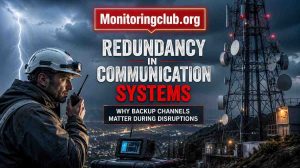
When primary channels fail, organizations depend on communication redundancy to preserve coordination, trust, and operational continuity.
Incident Escalation Frameworks: When and How Communication Authority Changes
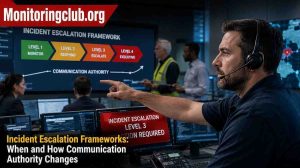
Escalation frameworks determine who communicates, when authority shifts, and how organizations avoid confusion under pressure.
Communication Recovery Planning: Restoring Trust After Operational Failures

Technical recovery does not automatically restore trust. Communication recovery planning helps organizations rebuild confidence, transparency, and credibility after disruptions.
Emergency Communications Systems: Maintaining Information Flow During Disruptions
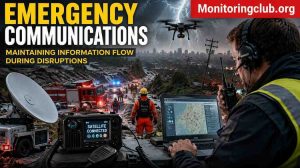
Communication failures often begin long before networks go offline. Discover how emergency communications systems preserve coordination, awareness, and continuity when conventional channels become unreliable.
Incident Response Communications: Managing Information Under Pressure

When incidents unfold, information becomes both an asset and a liability. Learn how effective incident response communications reduce confusion, support decisions, and maintain trust under pressure.
Communication Continuity Framework for Resilience ♔
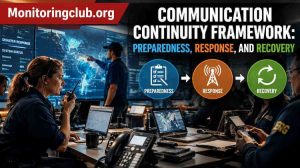
Communication systems often fail when organizations need them most. This framework explains how preparedness, response, and recovery work together to maintain communication continuity during disruption.
Post-Incident Communication Reviews: Turning Failures Into Governance Improvements

A practical guide to reviewing incident communications, reconstructing decisions, identifying governance gaps, and verifying corrective actions.
Who Has Authority to Communicate During a Crisis? Governance Decision Models Explained

Crisis communication fails when authority is unclear. Governance decision models define who can speak, when escalation happens, and how accountability is preserved.
Communication Audit Trails: How Accountability Is Proven, Not Claimed

Accountability is not a statement—it is an evidence trail. Communication audit trails show who decided, what was communicated, and why it can be defended.