
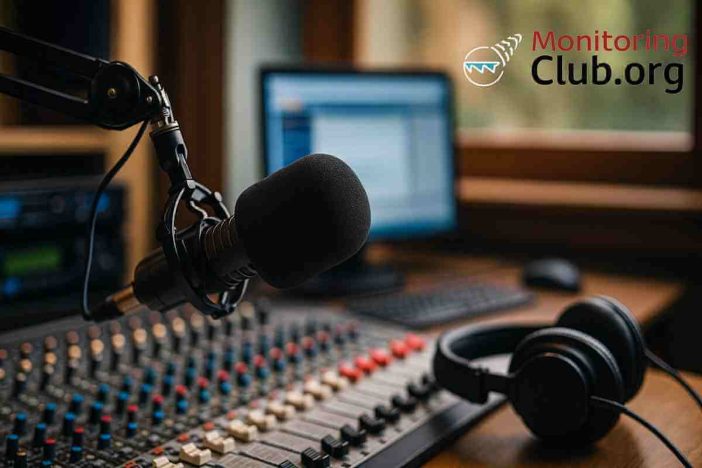
Community radio equipment and pricing has never been more important to understand than it is today.
It began with a short message—quiet, almost unassuming—slipping into our inbox through the Media Monitoring Club contact page. The sender introduced himself politely, explaining his need with a kind of earnest clarity that immediately caught attention. He wanted information about community radio, about the equipment required, and the prices involved. No flourish, no excess. Just a direct question from someone trying to build something meaningful.
That message became the spark for this entire guide.
Some readers may first explore the world of broadcasting by learning how to listen to online radio in Indonesia, and that journey often becomes the first spark of curiosity that leads them toward building a station of their own. This article provides a gentle entry point for understanding listener behavior and digital broadcasting habits. Connecting it with your current guide helps bridge the gap between being a listener and becoming a creator. It shows readers the natural progression from consuming content to crafting their own community voice.
In many parts of the world, radio is not just a medium—it’s a lifeline. It carries the cadence of local stories, the urgency of warnings, the warmth of community voices. And yet, for all its power, countless people still struggle to understand what it truly takes to build a community station from scratch. Equipment lists are scattered, pricing varies wildly, and clear explanations are hard to find.
This article answers that need with precision and humanity.
It tells the story not only of frequencies and transmitters, but of people—of villages, schools, youth groups, churches, and local organizations who want to build something lasting. Something theirs.
If you are one of them, this is your roadmap.
Understanding the Purpose of Community Radio
Community radio stations exist to serve local populations by providing:
- Local news and public announcements
- Cultural preservation and language programming
- Education and literacy content
- Platforms for civic dialogue
- Entertainment and music
- Emergency communication
- Youth and community empowerment
They are non-commercial, inclusive, and community-driven. This means their equipment should be reliable, budget-friendly, and easy to operate.
If you want to understand how a community station can eventually support itself financially, our article How Radio Advertising Works offers a clear perspective on how small broadcasters turn local airtime into meaningful revenue. It guides readers through the psychology of radio audiences and the dynamics behind message impact. Linking it with this equipment guide creates a fuller narrative—from building the station to learning how it can sustain itself. This connection helps readers see that technical preparation and content strategy must evolve together.
You can also explore a deeper understanding of how community radio shapes local empowerment through a comprehensive guide published by UNESCO, which has spent decades helping small communities build sustainable broadcast systems. Their resource walks through real-world examples of rural stations that started with almost nothing yet became essential voices for their people. It’s the kind of reference that broadens perspective beyond equipment lists and reminds us why these stations matter in the first place. By studying their findings, readers gain clearer insight into the human impact behind every transmitter, antenna, and studio table.
How Community Radio Works: From Studio to Airwaves
To understand the equipment list, it’s important to see how the radio workflow operates.
1.. Studio Stage (Content Creation)
Here presenters speak, manage music, conduct interviews, and run programs.
Equipment includes microphones, mixers, headphones, and computers.
2. Transmission Stage (Signal Conversion)
Audio from the studio is fed into an FM transmitter. The transmitter converts the audio into a radio signal.
3. Radiating Stage (Antenna System)
The signal travels through a coaxial cable to the antenna, which broadcasts it across the community.
All three stages must work together for successful broadcasting.
Core Equipment Needed for a Community Radio Station
Below is the full list of essential equipment, complete with explanations and price ranges in USD.
1. FM Transmitter (Primary Equipment)
Typical Power & Coverage
- 1–10W: 1–3 km
- 20–50W: 5–10 km
- 100–300W: 15–25 km
- 500–1000W: 30+ km
Price Range
- 1–30W: $200 – $800
- 30–100W: $800 – $1,500
- 100–500W: $1,500 – $4,000
- 1000W+: $5,000 – $15,000
Most community stations use 20–100W.
2. FM Broadcast Antenna
Types
- Dipole antenna
- Ground-plane antenna
- Circular polarized antenna
- Multi-bay antenna
Price Range
- $80 – $200 for basic dipole
- $250 – $500 for circular polarized
- $500 – $1,500 for high-end systems
3. Coaxial Cables and RF Connectors
Recommended Cable Types
- RG-213 / RG-214
- LMR-400 / LMR-600
- 7/8″ feeder cable
Price Range
- Cables: $2 – $10 per meter
- Connectors: $5 – $25
4. Audio Mixer / Console
Price Range
- Small mixers: $60 – $200
- Medium mixers: $200 – $600
- Broadcast mixers: $1,000 – $3,500
A typical community studio uses an 8–12 channel mixer.
5. Microphones
Types
- Dynamic (recommended for radio)
- Condenser (studio-grade, sensitive)
- Wireless (mobile interviews)
Price Range
- Dynamic mic: $20 – $60
- Mid-range mic: $80 – $250
- Condenser mic: $120 – $300
- Wireless set: $60 – $300
To help readers improve the quality of their programming once their community station is operational, you can direct them to our practical guide How to Record Radio Programs, which explores clever techniques for capturing clean, engaging audio without relying on expensive equipment. The article highlights simple workflows that match perfectly with the studio tools discussed here. Connecting both guides gives beginners a seamless journey—from setting up their gear to producing professional-sounding shows.
6. Headphones & Monitoring
Price Range
- Basic: $15 – $40
- Studio-grade: $50 – $150
- Headphone amplifiers: $30 – $80
7. Studio Monitors / Speakers
Price Range
- Basic monitors: $100 – $200
- Mid-range: $200 – $500
- Professional: $500+
8. Computer & Radio Automation Software
Minimum Specs
- Intel i3 / Ryzen 3
- 8GB RAM
- 256GB SSD
Price Range
- PC or laptop: $300 – $800
Software Options
- Free: RadioDJ, ZaraRadio, Mixxx
- Paid: StationPlaylist ($99–$300), RadioBoss ($99–$500)
9. Audio Processor (Optional, but Improves Quality)
Price Range
- Basic: $80 – $150
- Broadcast-grade: $300 – $1,500
10. Power Backup & Protection
Price Range
- UPS: $50 – $150
- Voltage regulator: $30 – $100
11. Soundproofing & Acoustic Treatment
Price Range
- Foam panels: $40 – $150
- Bass traps: $50 – $200
- DIY options: $20 – $50
Additional Studio Essentials
- Microphone stands/arms ($15 – $100)
- On-air LED sign ($20 – $80)
- Telephone hybrid for call-ins ($150 – $500)
- Portable audio recorder ($50 – $200)
- Studio furniture ($100 – $300)
Recommended Equipment Packages by Budget
1. $1,000 Starter Package (Very Small Communities)
Includes
- 20W transmitter
- Dipole antenna
- Basic mixer
- 2 microphones
- 2 headphones
- Basic PC
- Free automation software
Coverage: 3–5 km
2. $3,000 Standard Package (Most Common Choice)
Includes
- 50–100W transmitter
- Circular polarized antenna
- LMR-400 cable
- 8-channel mixer
- 3 microphones
- Studio monitors
- UPS
- Audio processor
- Mid-range PC
Coverage: 10–20 km
3. $10,000 Professional Community Package
Includes
- 300–500W transmitter
- High-gain antenna
- Professional coaxial cable
- Broadcast mixer
- Studio condenser mics
- Complete soundproofing
- High-end PC
- Professional automation software
Coverage: 20–40 km
Selecting the Right Transmitter Power and Antenna
Key considerations:
- Antenna height affects coverage more than power
- A high antenna (20–30m) can double signal reach
- Rural areas require less power
- Circular polarization improves indoor reception
Legal and Licensing Requirements
Before broadcasting, verify:
- Local broadcasting laws
- Frequency allocation
- Maximum power limits
- Licensing procedures
- Emergency broadcast rules
Operating without proper licensing may result in penalties.
Long-Term Operation Tips
- Keep equipment clean and cool
- Monitor transmitter SWR and temperature
- Train volunteers regularly
- Maintain backups of your schedule and backups of your audio files
- Prepare emergency broadcast scripts
- Develop a consistent program schedule
A well-maintained community radio station can last over 10–15 years.
For readers who want to see how other broadcasters operate, the World Media Directory offers an expansive overview of radio, TV, and digital platforms across the globe. Exploring that directory can help future community broadcasters understand the broader media landscape they are stepping into. It highlights the diversity of voices and formats used by stations worldwide. Pairing this resource with your equipment guide gives readers both inspiration and practical grounding.
Wrap Up: Community Radio Equipment & Pricing
The inquiry we received through our website—asking about community radio equipment and pricing—is a question shared by thousands of groups worldwide. Fortunately, starting a community radio station is more achievable today than ever before. With a budget between $1,000 and $5,000, any community can build a fully functional FM station capable of broadcasting news, culture, education, public service announcements, and life-saving emergency information.
Community radio is more than technology—it is the voice of the people. With the right equipment and a committed team, your station can serve as a vital communication lifeline and a platform for community empowerment.


